


My Certifications
Doctor of Acupuncture and Oriental Medicine
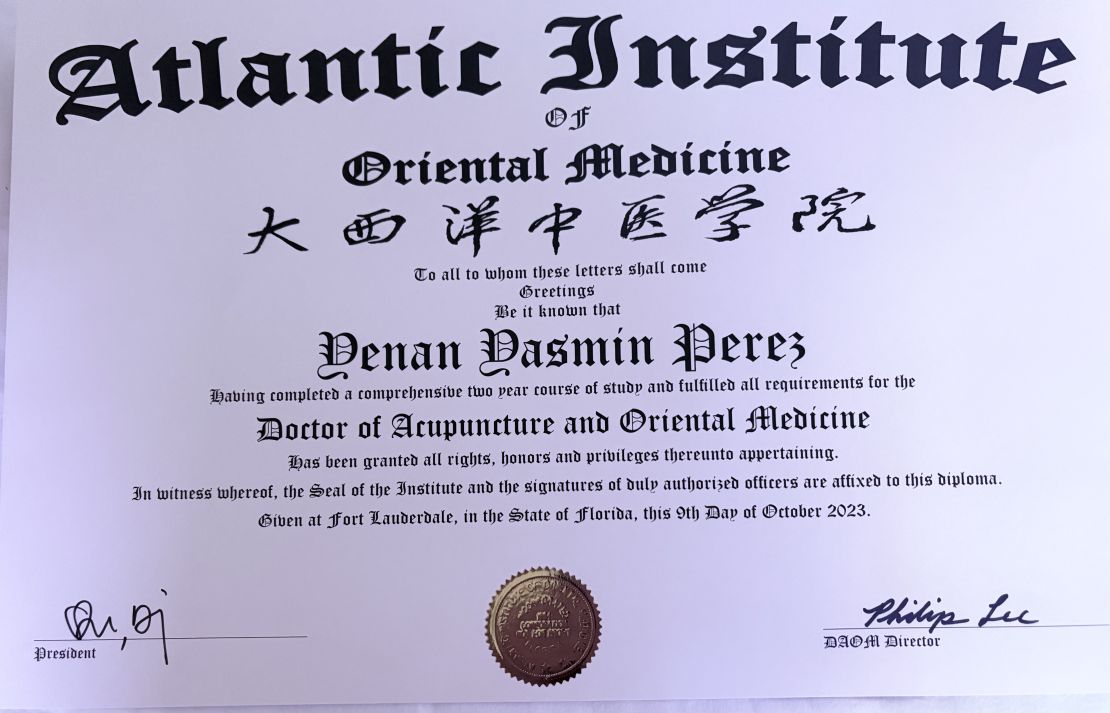
A DAOM is a Doctor of Acupuncture and Oriental Medicine. It is a postgraduate professional doctorate and the highest advanced degree available in the field of traditional Chinese medicine and integrative healthcare.
A Doctor of Oriental Medicine (OMD or DAOM) is not a medical doctor (MD or DO). They do not attend conventional medical school or complete hospital residencies. Instead, they are specialized practitioners of traditional East Asian medicine, acupuncture, and herbal therapies who hold a professional clinical doctorate in their specific field
A DAOM (Doctor of Acupuncture and Oriental Medicine) holds an academic clinical doctorate in traditional and integrative medicine. Studying a Doctor of Acupuncture and Oriental Medicine (DAOM) program in Florida—such as through institutions like the Atlantic Institute of Oriental Medicine in Fort Lauderdale—allows licensed practitioners to gain advanced clinical specialization in internal medicine, collaborate with Western biomedical systems, and tap into Florida's active, diverse integrative healthcare market.
Espanol
El DAOM es un Doctorado en Acupuntura y Medicina Oriental. Se trata de un doctorado profesional de posgrado y del título de mayor nivel disponible en el campo de la medicina tradicional china y la atención sanitaria integrativa.
Un Doctor en Medicina Oriental (OMD o DAOM) no es un médico alópata (MD o DO). Estos profesionales no cursan estudios en facultades de medicina convencional ni completan residencias hospitalarias; en su lugar, son especialistas en medicina tradicional de Asia Oriental, acupuntura y terapias a base de hierbas que poseen un doctorado clínico profesional en su campo específico.
El DAOM (Doctor en Acupuntura y Medicina Oriental) posee un doctorado clínico académico en medicina tradicional e integrativa. Cursar un programa de Doctorado en Acupuntura y Medicina Oriental (DAOM) en Florida —por ejemplo, en instituciones como el Atlantic Institute of Oriental Medicine en Fort Lauderdale— permite a los profesionales con licencia adquirir una especialización clínica avanzada en medicina interna, colaborar con los sistemas biomédicos occidentales y aprovechar el dinámico y diverso mercado de atención sanitaria integrativa de Florida.
Diplomate of Acupuncture
A Diplomate of Acupuncture is an acupuncturist who is certified by the National Certification Board for Acupuncture and Herbal Medicine (NCBAHM®). It is a considerable professional achievement to earn the designation Diplomate of Acupuncture (NCBAHM). NCBAHM certification indicates to employers, patients, and peers that one has met national standards for the safe and competent practice of acupuncture as defined by the acupuncture and herbal medicine (AHM) profession. For additional information, about the Diplomate of Acupuncture, please visit the NCBAHM Website.
Diplomate of Chinese Herbology
A Diplomate of Chinese Herbology is a practitioner who is certified by the National Certification Board for Acupuncture and Herbal Medicine (NCBAHM®). It is a considerable professional achievement to earn the designation Diplomate of Chinese Herbology (NCBAHM). NCBAHM certification indicates to employers, patients, and peers that one has met national standards for the safe and competent practice of Chinese herbology as defined by the acupuncture and herbal medicine (AHM) profession. For additional information, about the Diplomate of Chinese Herbology, please visit the NCBAHM Website.
NCBAHM Biomedicine Board Approved
A biomedicine board exam (commonly taken by practitioners of complementary medicine like acupuncture) is based on conventional Western medical science, covering core content like anatomy, physiology, pathology, pharmacology, and clinical assessment.
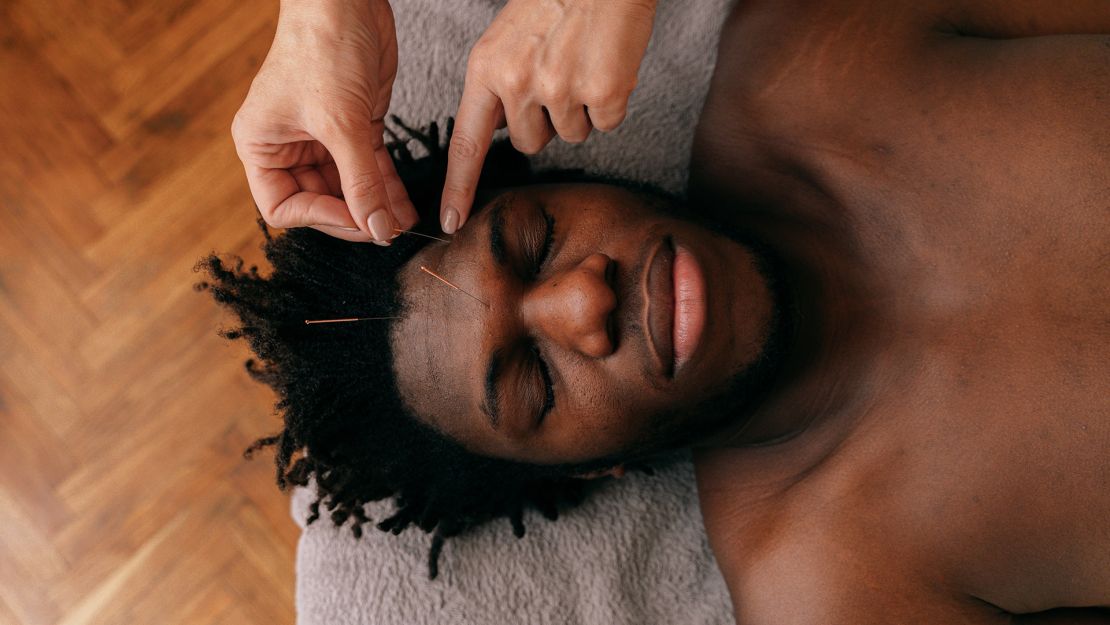
A biomedicine board exam (such as the NCCAOM biomedicine module for acupuncturists) is important because it ensures practitioners understand western medicine, lab tests, and pharmacology to safely treat patients and coordinate with conventional doctors.
Chinese Herbal Compounding and Safety
The Chinese Herbal Compounding and Safety (CHCS) Certificate of Qualification (COQ) is a voluntary online professional development program. It trains practitioners and staff in safe practices for mixing, dispensing, and labeling Chinese herbal formulas according to regulatory standards.